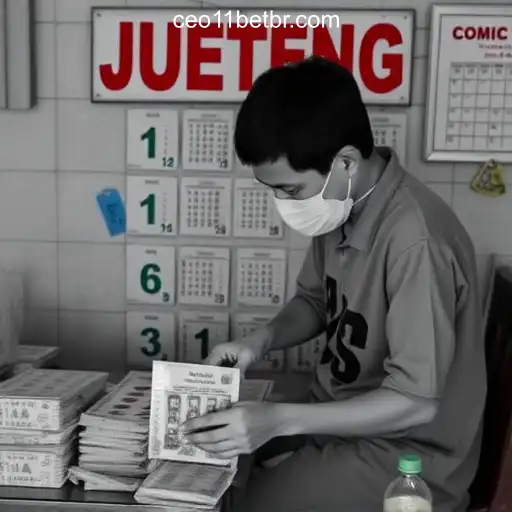
Understanding Jueteng in the Philippines
Jueteng, a popular illegal numbers game in the Philippines, has been a part of the country's gambling culture for decades. Despite various government crackdowns and legal expenses aimed at curbing its prevalence, Jueteng continues to thrive. The name itself originates from the Chinese words "Hue" (flower) and "Teng" (bet), reflecting its roots as a form of lottery proliferation. This clandestine game is more than just a simple form of gambling; it is a complex socio-economic phenomenon deeply embedded in Filipino society.
The Mechanics of Jueteng
At its core, Jueteng involves betting on a combination of numbers. Typically, bettors choose two numbers from one to thirty-seven. These numbers are then drawn randomly from a central location. Various agents, or "cobradores," accept bets from players within their designated areas, making daily collections and reporting to their respective "cabo," who is responsible for gathering all bets in the community and relaying them to the central station. The simplicity of Jueteng lies in its operations; the game does not require advanced technology or infrastructure, allowing it to infiltrate deeply into both urban and rural areas. Its widespread allure can largely be attributed to the low entry cost and the substantial prize money that can be won, even with minimal investment.
Social and Economic Factors
One of the reasons Jueteng remains prevalent is its integration into the socio-economic fabric of Philippine society. In many impoverished communities, Jueteng serves as a source of hope and financial respite. The excitement and possibility of winning are invigorating for many who deal with economic hardships. This allure is particularly strong in rural regions where legal forms of entertainment or gambling are scarce. However, it's not just the impoverished who engage in it; Jueteng transcends social classes.
From an economic standpoint, Jueteng operations create a small ecosystem of employment opportunities. The game employs thousands as "cobradores" and "cabo," making it a means of livelihood for many in areas where job opportunities are limited. The funds generated by Jueteng often circulate locally, contributing, albeit tacitly, to the economies of areas it permeates.
Corruption and Political Ties
A significant element that stimulates the persistence of Jueteng is its ties to systemic corruption within local and national government structures. Historically, revenues from Jueteng have been suspected to finance electoral campaigns and fill the pockets of several government officials. These activities perpetuate a cycle of power and influence that hinders any genuine efforts to eradicate the game.
The Role of Technology
With technological advancements, gambling has begun to shift to online platforms, introducing new opportunities and challenges. As widespread internet access continues to grow, platforms like CEO11.bet Cassino❤️ Exploda nas Mesas! seek to capture the attention of traditional bettors and gamblers by providing easily accessible and legal gambling options. This digital arena offers a broad variety of games and stakes that are legally sanctioned, contrasting with the illegal nature of Jueteng. Yet, despite these legal alternatives, Jueteng retains its grip due to localized loyalty and tradition.
Governmental Efforts and Challenges
The Philippine government has made numerous attempts to combat Jueteng through the establishment of legal lotteries such as the Philippine Charity Sweepstakes Office (PCSO) and initiatives with the Philippine National Police (PNP). However, these measures have only partially succeeded in addressing the issue. The concealed nature of Jueteng and the high levels of complicity involved within law enforcement create significant obstacles. Regulation and legal competition don’t always diminish illegal activities; instead, they force new adaptations among operators who find ways to circumvent regulations.
Future Prospects
As the landscape of gambling transforms in the digital age, the future of Jueteng remains uncertain. The government might intensify its attempts to incorporate technology into policing efforts, increasing the efficiency and reach of their operations. In contrast, online gambling platforms such as CEO11.bet Cassino❤️ Exploda nas Mesas! present both a challenge and an opportunity for the government to channel the popular appetite for numbers games into monitored and regulated avenues.
Ultimately, addressing the cultural and socio-economic significance of Jueteng is crucial for any meaningful reforms. Initiatives understanding its localized importance while offering alternative livelihoods may gradually reduce its dominance. As it stands, Jueteng is more than merely an illegal numbers game; it is a symptom of broader socio-economic issues facing the Philippines.